Independent · not SAM.gov
Representations and certifications in SAM.gov
Updated September 2026
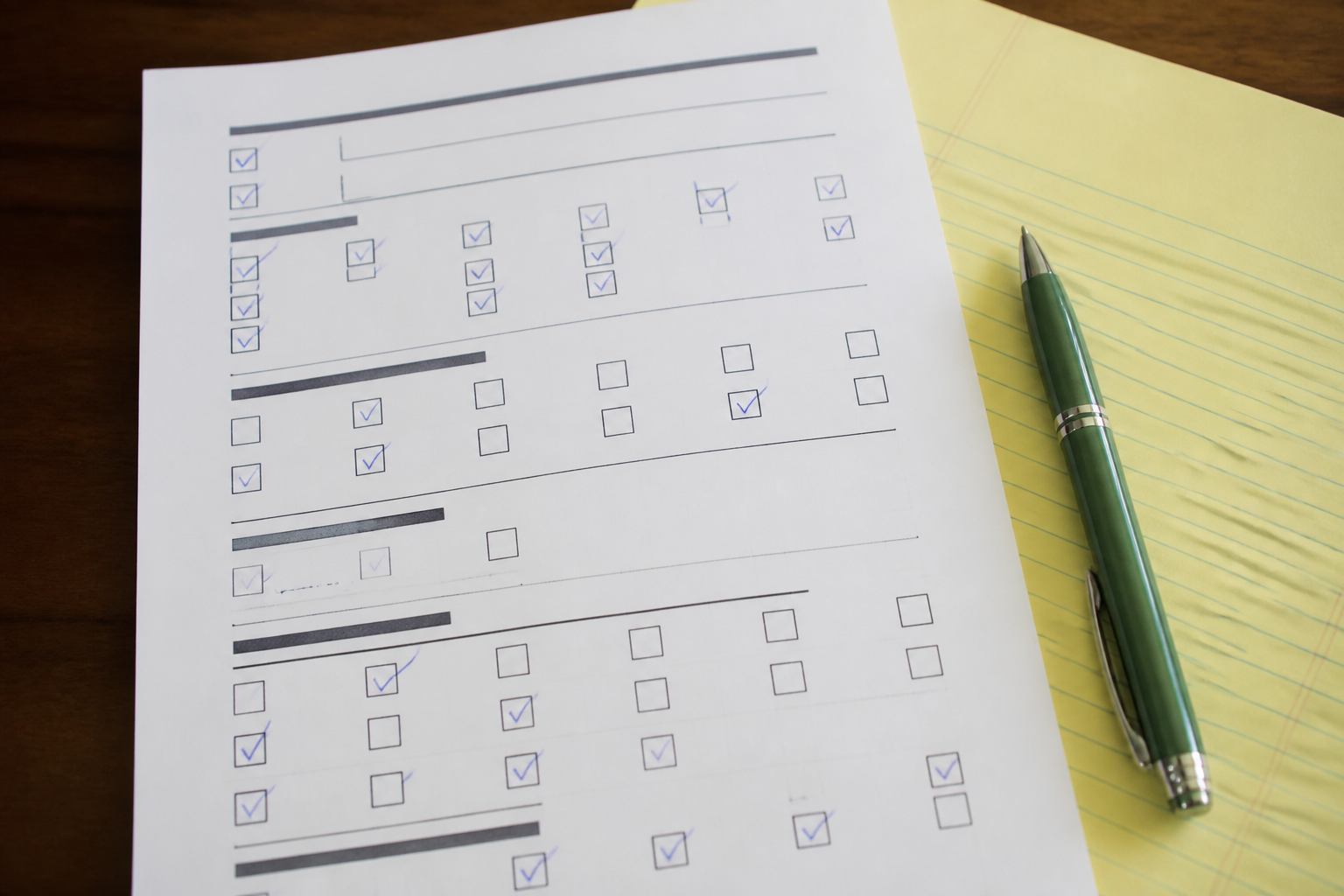
One checkbox on the SAM.gov registration form asks you to confirm your business's size status under a specific NAICS code, and that single click can decide whether you're eligible to bid on set-aside contracts for the next twelve months. That checkbox lives inside a section called Representations and Certifications, and it's one of the more misunderstood parts of the whole free registration process. Quick disclosure before we go further: zerogov.net is a privately run guide to this process, not SAM.gov and not any federal agency, so treat what follows as background information rather than official instruction.
What reps and certs actually is
Representations and Certifications, usually shortened to reps and certs, is a section you fill out as part of your SAM.gov registration. It's not a separate form, a separate login, or a separate fee. It's built into the same free process covered on our SAM.gov registration checklist, which walks through the whole registration step by step and saves your progress locally as you go.
In this section you self-certify a set of facts about your business: your size under whichever NAICS codes apply to what you sell, whether you count as a small business at all, your ownership structure, and a handful of other compliance statements the federal government requires before it will do business with you. You're not uploading documents here. You're attesting, under your own signature, that what you've entered is true.
Why the size certification matters more than it looks
Here's the part that trips people up. Contracting officers use your self-certified size status to decide which contracts you're even allowed to see, let alone bid on. A large share of federal spending is reserved for small businesses through what's called the Rule of Two: if a contracting officer reasonably expects at least two qualified small businesses will submit competitive offers, the contract has to be set aside for small business competition. That rule stayed intact after the 2026 FAR overhaul, which our plain-English explainer covers in more detail.
Your size status isn't one flat answer for your whole business. It's tied to NAICS codes, and the small business size standard varies by industry, and by either revenue or employee count depending on which code applies. Getting this wrong, even by accident, either locks you out of set-asides you'd actually qualify for, or puts you in a position where you've represented yourself as small on a contract where you didn't actually qualify. Neither is a good place to be.
Beyond basic size status
Basic reps and certs covers general small business status, but that isn't the same thing as certification under one of the SBA's specific socioeconomic programs. Those are separate processes layered on top of registration, each with its own eligibility rules and paperwork:
| Program | Who it's for | Certified through |
|---|---|---|
| 8(a) Business Development | Socially and economically disadvantaged owners | SBA, structured nine-year program |
| WOSB / EDWOSB | Women-owned and economically disadvantaged women-owned businesses | SBA certification process |
| SDVOSB | Service-disabled veteran-owned businesses | SBA certification process |
| HUBZone | Businesses located in a qualifying HUBZone area | SBA certification process |
Basic reps and certs in SAM.gov is where you note that you might belong in one of these categories. Actual certification into the program itself is a separate step handled through SBA, not something SAM.gov grants on its own just because you checked a box.
Your award will also carry labor clauses that reps and certs does not settle, such as the disability and veterans equal opportunity clauses. Which ones bite depends on contract value and headcount, set out in our page on affirmative action plans for small federal contractors.
It's part of the free process, full stop
Somewhere out there is a service offering to review, complete, or file your reps and certs for a few hundred dollars. It's the same story as the rest of SAM.gov: registration is free, renewal is free, and reps and certs is a section of that same free form, not an upsell tacked onto it. Nobody needs to be paid to help you answer questions about your own business that only you actually know the answers to.
The one thing worth taking seriously here is accuracy, not speed. Self-certifying an incorrect size status, whether inflated or understated, is a representation the government relies on when awarding contracts. Double-check your NAICS codes and your actual employee or revenue figures before you submit instead of guessing your way through the form. Those figures are multi-year averages that include your affiliates, and our guide to calculating your business size for SBA purposes shows how to work them out.
New to contracting? You can still fill this out honestly
If you're worried that having no federal past performance disqualifies you from anything in this section, it doesn't. Reps and certs asks about your size and status, not your track record. Contracting officers can and do consider related experience, including non-federal work or subcontract history, when they evaluate offers later on. Some small business set-aside categories exist specifically because newer entrants need a fair shot, so don't let a blank past performance history stop you from registering or from certifying accurately.
Keep it current, not just correct
Reps and certs isn't a one-time attestation you file and forget. SAM.gov registration as a whole has to be renewed every year, and an expired registration makes you ineligible for new contract awards until you renew, even if nothing about your business has actually changed. If your revenue, employee count, or ownership structure shifts between renewals, your size status might shift with it too, so it's worth reviewing this section each time you're back in SAM.gov rather than clicking through it from memory. If you're also wondering how a lapse or a federal funding gap affects contracts already in hand, our page on what a government shutdown means for your contract breaks down how contractor protections differ from what federal employees get.
One more thing worth saying plainly: zerogov.net is an independent resource, not a government website and not SAM.gov itself. Nothing here replaces reading the actual questions in your own registration carefully, since only you know your business's real numbers.
If you haven't registered yet, pull your most recent tax return and a current NAICS code list before you open the reps and certs section, so you're answering with real figures instead of guessing halfway through the form.
Independent information, not legal advice. Confirm status and rules on sam.gov and the current FAR text.
Quick answers
- Are reps and certs a paid product?
- Not the SAM.gov section. You complete it in the free registration.
- Can I skip them?
- An incomplete record can block award. Finish the section.
- Do they replace a proposal?
- No. They sit on your entity record. Each bid still has its own paperwork.