Independent · not SAM.gov
Common SAM.gov registration scams
Updated September 2026
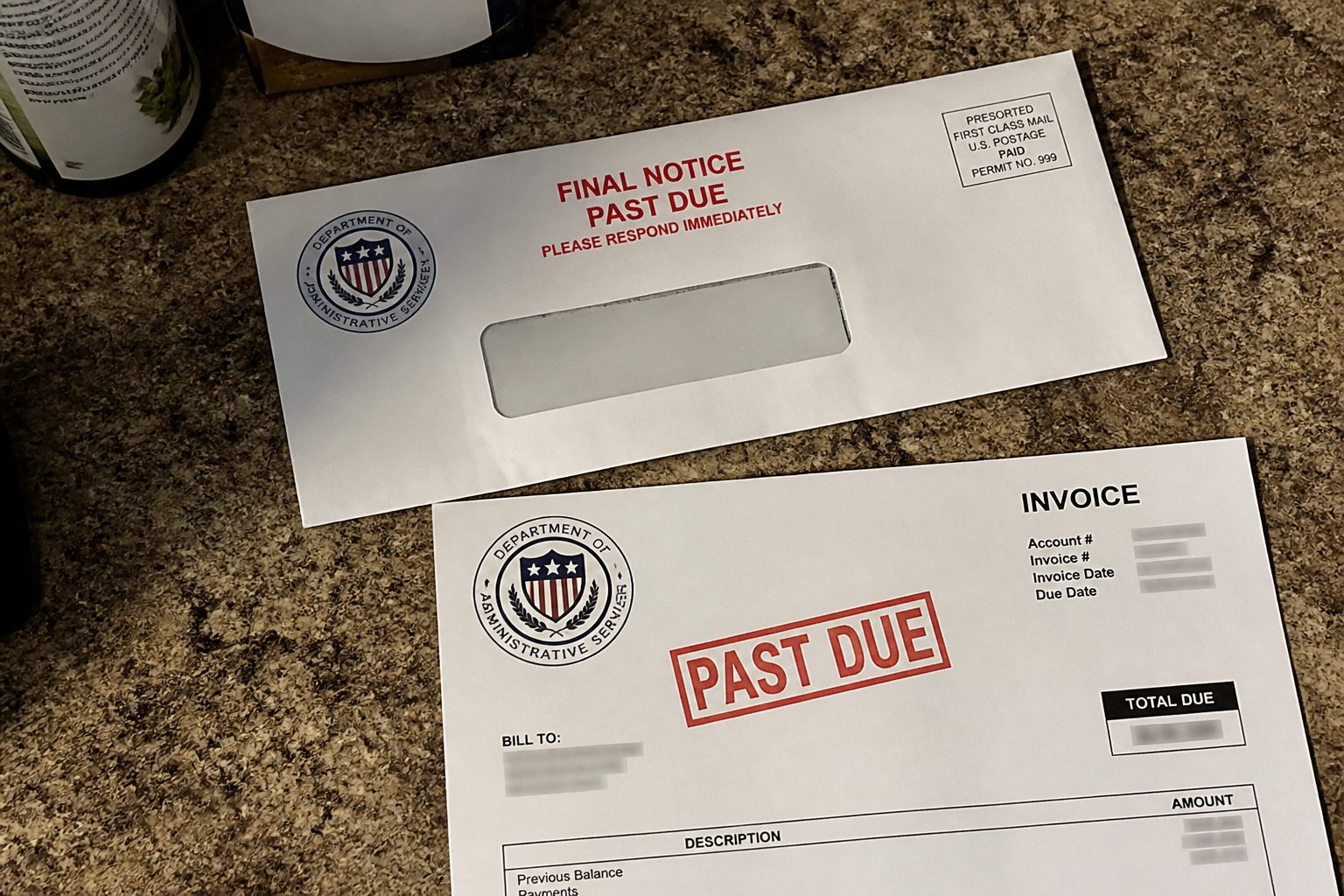
Nobody has to pay anything to register in SAM.gov. If a company, a letter, or an email is asking you for money to "process," "activate," or "renew" your registration, that's the scam, full stop.
We should say this plainly since it matters here more than on most pages: zerogov.net is an independent site, not a government agency and not SAM.gov itself. Everything below is our own explanation, not an official notice, so if you ever want to confirm something directly, do it by typing sam.gov into your browser yourself rather than clicking a link in an email.
The paid-registration pitch is the one you'll run into most
Search for "SAM.gov registration help" and you'll find a long list of companies charging $300 to $800 or more to walk you through a form that costs nothing to submit directly. Some present themselves as consultants, some as "registration agents," some just buy ads that look like the real site. None of them can get you registered any faster than doing it yourself, because they're filling out the same free government form you can fill out.
There's a real version of paid help: an accountant or consultant who handles compliance paperwork for you as part of a broader service, and charges for their time. That's different from a company whose entire pitch is "pay us to submit a free form." If a site's main promise is speed or ease on a process that's already free and generally takes a few days to a few weeks depending on how clean your paperwork is, be skeptical. A free interactive SAM.gov registration checklist that saves your progress as you go covers the same ground without the invoice.
Official-looking letters and emails demanding a fee
The second common scam shows up by mail or email, styled to look like a government notice. It'll reference your business name, sometimes a Unique Entity ID or CAGE code, and warn that your registration or code is about to expire unless you pay a "renewal fee" or "activation fee" by a specific date. The letterhead can look convincing. The urgency is the point: it's designed to get you to pay before you stop and check.
Renewing your SAM.gov registration is free, every year, with no exceptions. If a letter or email says otherwise, it isn't from SAM.gov. This kind of pressure tactic isn't unique to registration scams either, it's the same playbook used in a lot of "your account will be suspended" schemes, just adapted to federal contracting.
Emails that impersonate a real GSA official
A newer version goes after companies that are already registered. On July 31, 2026, GSA's Office of Inspector General warned that scammers were emailing GSA contractors, including Multiple Award Schedule holders and entities registered in SAM.gov, under the real name, title and signature block of an actual GSA official. The messages come from look-alike domains instead of gsa.gov. The OIG named e-gsa.us as one used in reported cases, and warned that others may be used.
The OIG described two versions so far:
- A fake "Vendor Credentialing Form" saying an annual "credentialing fee" is due to keep your vendor status active, with a credit card authorization form attached.
- A fake "Records Digitization Non-Compliance" notice saying your contract file was flagged, pointing you to an attachment for "resolution steps."
SAM.gov itself never charges to register or renew. For anything else an email says you owe, the OIG's advice is to check the actual sending domain rather than the display name (real GSA addresses end in gsa.gov), leave unsolicited attachments closed, and verify with the named official using contact details you already have or can confirm independently, never the ones in the email. If you hold a GSA contract, tell your contracting officer or COR through a channel you trust, since their identity is the one being spoofed. The OIG asks for reports to its hotline and, because the scheme is after card details, to the FBI's IC3, with a copy of the email and its headers.
How to tell a scam email from a real SAM.gov notice
A few checks will catch almost all of these before you act on them.
| Real SAM.gov correspondence | Scam correspondence |
|---|---|
| Never asks you to pay to register, renew, or keep a UEI or CAGE code active | Demands payment to "process," "activate," or "renew" your registration or code |
| Directs you to log in at sam.gov directly to check status | Includes a link or phone number to pay through, instead of pointing you to the site itself |
| References specific account details you'd recognize from your own filing | Uses generic, urgent language about imminent expiration or suspension |
| Comes through your actual SAM.gov account notifications when you're logged in | Arrives unsolicited by mail or email, sometimes styled like an invoice |
When in doubt, don't reply to the message and don't call the number printed on it. Open a browser, go to sam.gov yourself, and check your registration status there. That single habit defeats most of this.
If you already paid for something you didn't need
It happens, and it's not worth beating yourself up over. A few things you can do:
- Contact your bank or card issuer and ask about disputing the charge, especially if you paid within the last couple of billing cycles.
- Go to sam.gov directly and confirm your actual registration status, since paying a scammer doesn't affect whether your real registration is valid.
- Report the company to the Federal Trade Commission at reportfraud.ftc.gov, and if the outreach specifically impersonated a federal registration process, GSA's Office of Inspector General is the right place to flag it as well.
- If you gave up more than payment information, like your UEI, CAGE code, or business details, keep an eye on your SAM.gov account and your business filings for anything that looks off.
None of this means you did something careless. These letters and sites are built to look legitimate on purpose, and plenty of experienced business owners have paid one before catching on.
The registration process itself hasn't gotten any more complicated, either, even with the 2026 FAR overhaul reshaping other parts of how contracts get awarded and priced. If you're mid-registration and worried about what an expired listing means for a contract you're chasing, especially around funding gaps, it's worth reading how contractor protections differ from employee protections during a government shutdown, since the two situations get confused a lot. Best next step if you haven't registered yet: skip the paid services entirely and work through the free registration checklist instead, since it walks through the exact same steps without anyone trying to bill you for them.
Independent information, not legal advice. Confirm status and rules on sam.gov and the current FAR text.
Quick answers
- Can a company register me faster?
- No. They submit the same free form. They cannot jump the validation queue.
- Are renewal fees ever real?
- Not from SAM.gov. Annual renewal is free.
- I already paid. Now what?
- Check your real status on sam.gov, dispute the charge if you can, and report it to the FTC.